Nude in nature. Belgian photographer Patrick Potie makes it beautiful
Belgian photographer Patrick Potie captures the beauty of nature in Wallonia and of the male form
Written by
Paul Gallant
January 28, 2026 last updated April 16, 2026
Credit: Patrick Potie
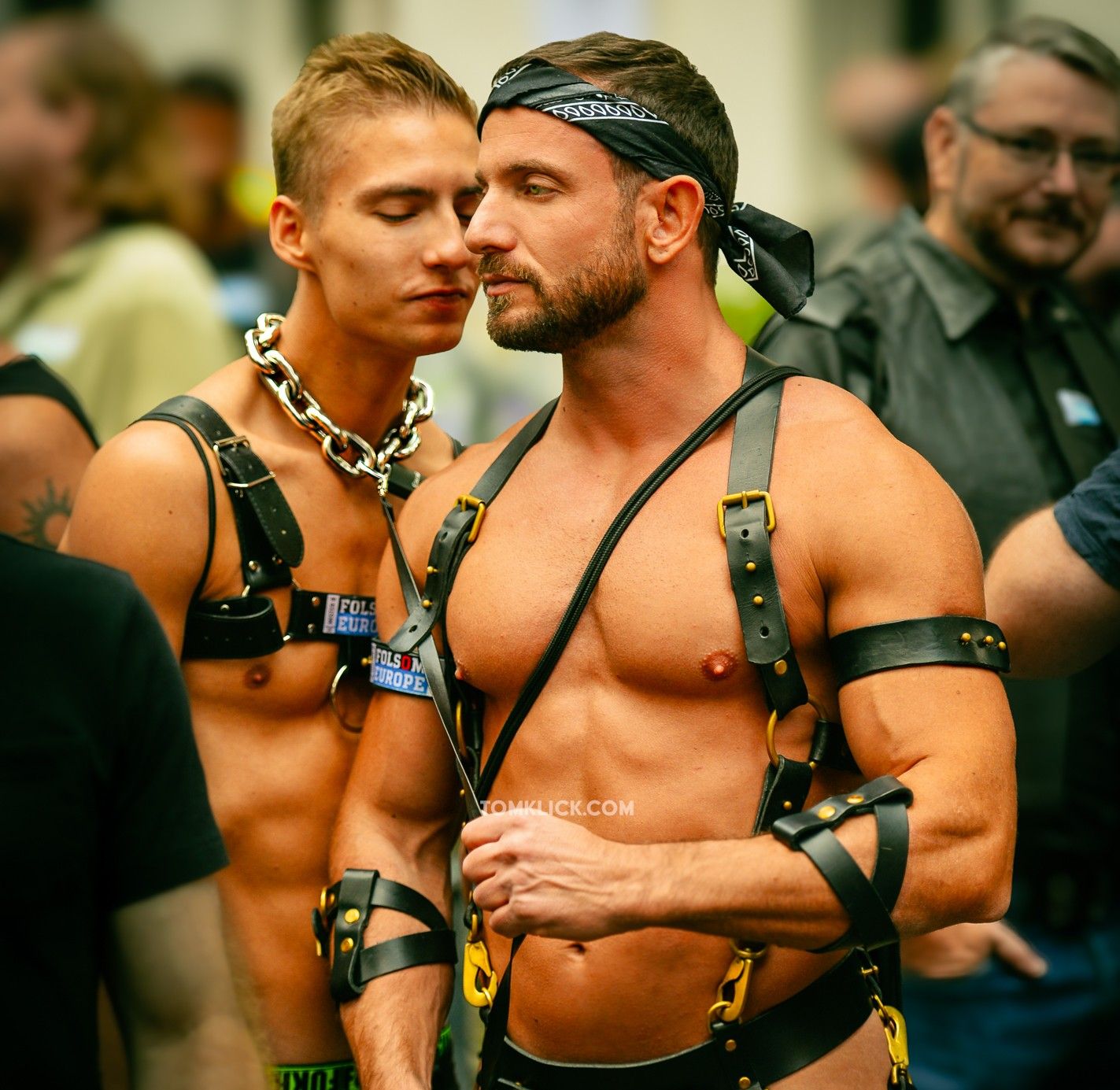
Patrick Potie’s drug of choice is photography. And you could say the Belgian photographer’s addiction has two main flavours. The first is male sexuality. He’s published two books of male nudes, two books of male fetishism. The second is mussel farming—he’s shot the workers setting out the bouchots on which the mussels grow, then bringing in the tasty sea creatures.
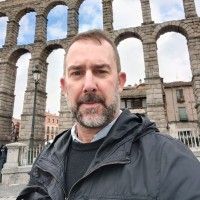
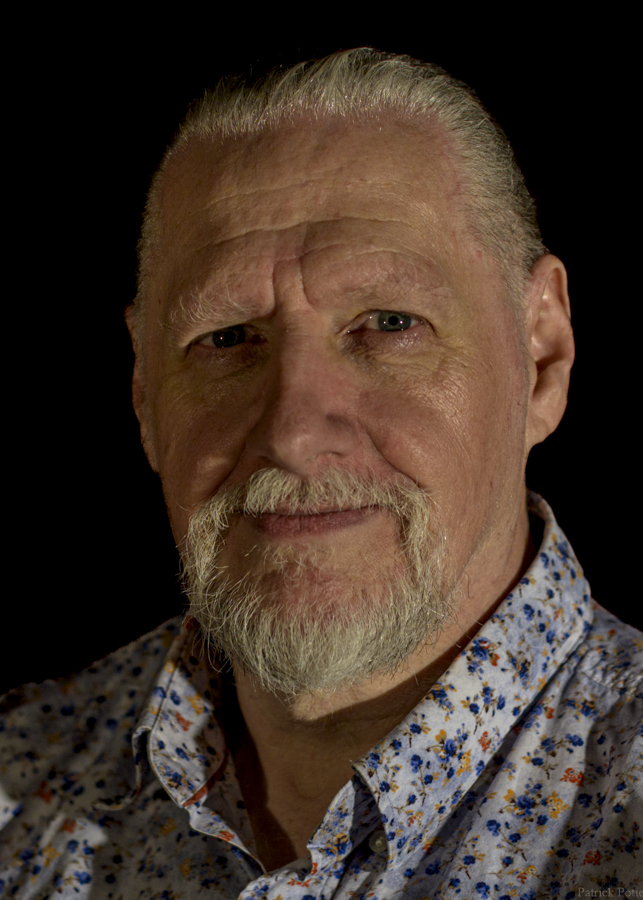
Photographer Patrick Potie. Credit: Patrick Potie
We know which of these interest Wander+Lust readers are here for. Which is to say that we didn’t ask Potie any questions about shellfish.
You started taking photos when you were very young. What triggered your interest?
I started photography at age 15, in July 1976. I broke my piggy bank to gather all my savings and buy my first camera on sale, a camera I still own and that still works. I wanted to capture the landscapes around me, photograph flowers, and catalog them. I have a passion for nature, and it’s this passion that made me want to photograph it. My first photoshoot was simply the flowers in my garden and the landscapes around me.
Advertisement
In 2015, you studied to be certified as a photography technician, to be able to do more commercial work, and you also started taking more erotic photos of men. What made you get more serious about your hobby?
I’d been doing photography for 39 years, self-taught, but I was lacking inspiration and motivation. My photography was stagnating. Since I had some free time after work, and the courses to become a photography technician were offered in the evenings and close to home, I decided to take the plunge to learn new techniques, enrich my photography, take on a new challenge and above all, deepen my photographic technique.
Credit: Patrick Potie
During the first two years of the course, we learned to master and use the camera, and all the exercises we had to complete were assigned to us. In the second part, the assigned work was an individual project on a specific topic, to be completed over the course of a year, at which point we were required to present a slideshow and a book featuring our best photos. I proposed “the artistic male nude” as my topic, a subject that was immediately accepted by my professor, though it did elicit some inappropriate and disrespectful comments from a classmate. However, the person in question came to apologize at the end of the year and acknowledged that my work deserved first place in the final exam. At the end of the year, my professor came to see me, congratulated me on my work, and thanked me for suggesting this topic, as no one had ever proposed it before. Furthermore, he admitted that if I had proposed “the female nude,” he would have rejected it, as that was a topic that was frequently proposed.
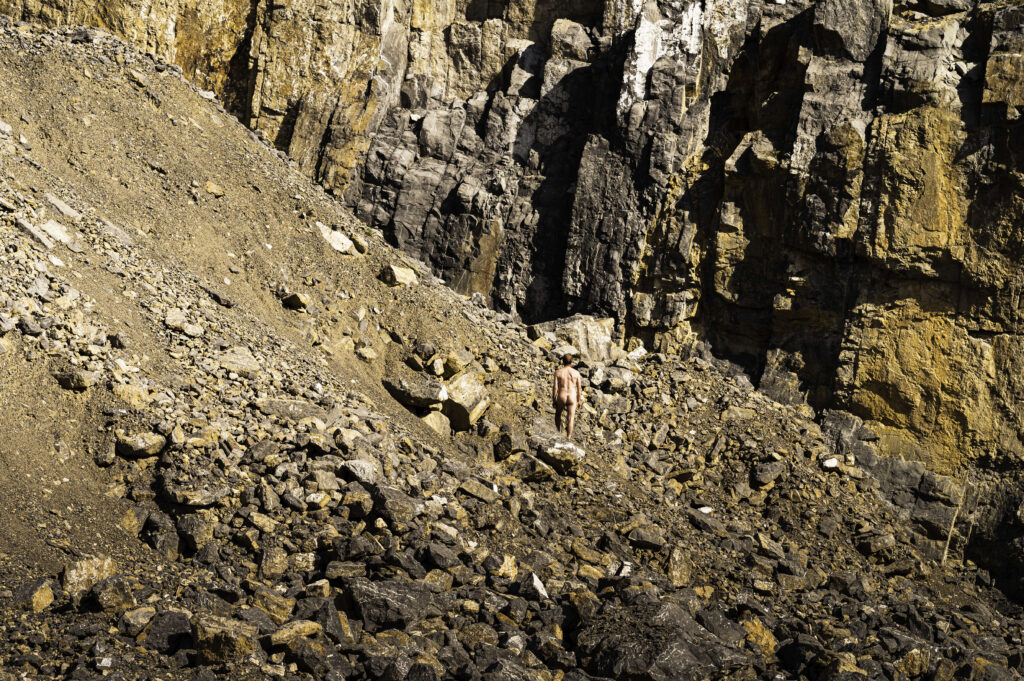
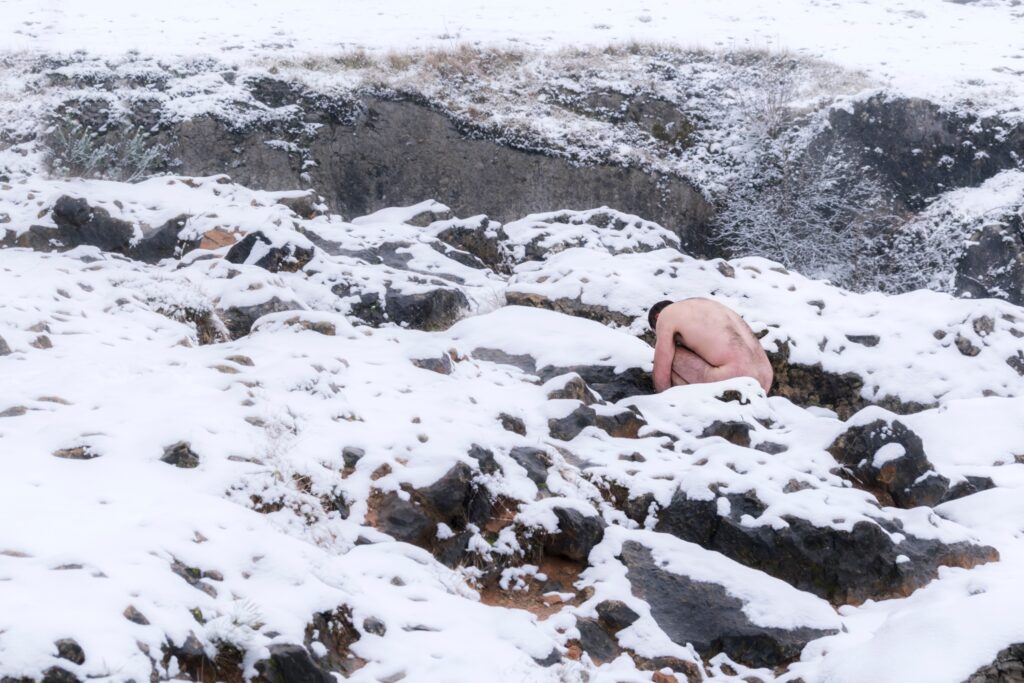
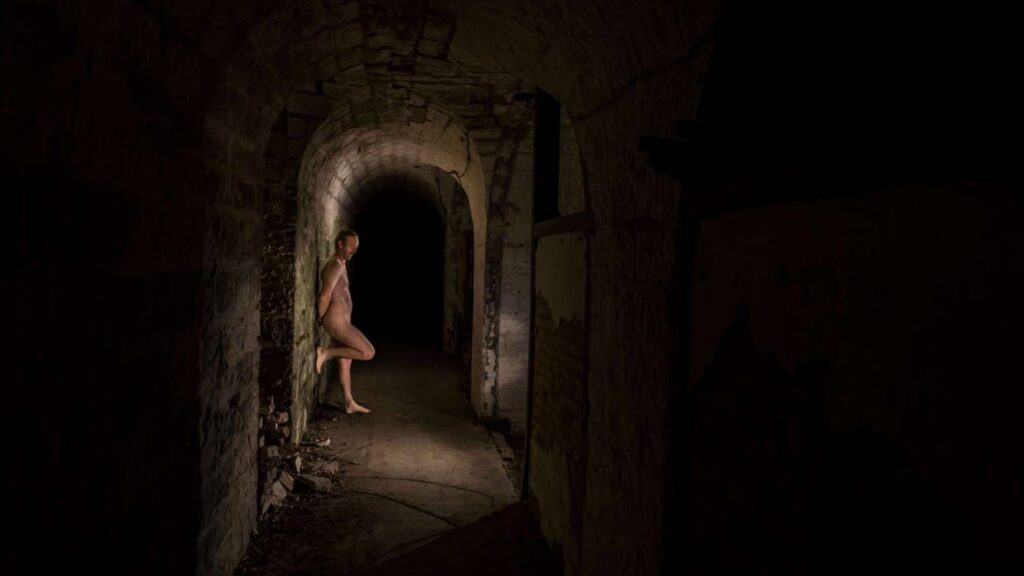
You work in the studio, but also outdoors. What are the most important factors when choosing a good location for a nude photoshoot or a more daring shoot?
The face, the body, the physique, body hair, tattoos, piercings. I like to photograph ordinary bodies that you see everywhere, but I also appreciate different bodies; it’s all about feeling.
Advertisement
Credit: Patrick Potie
What’s the wildest thing that’s happened on a photoshoot?
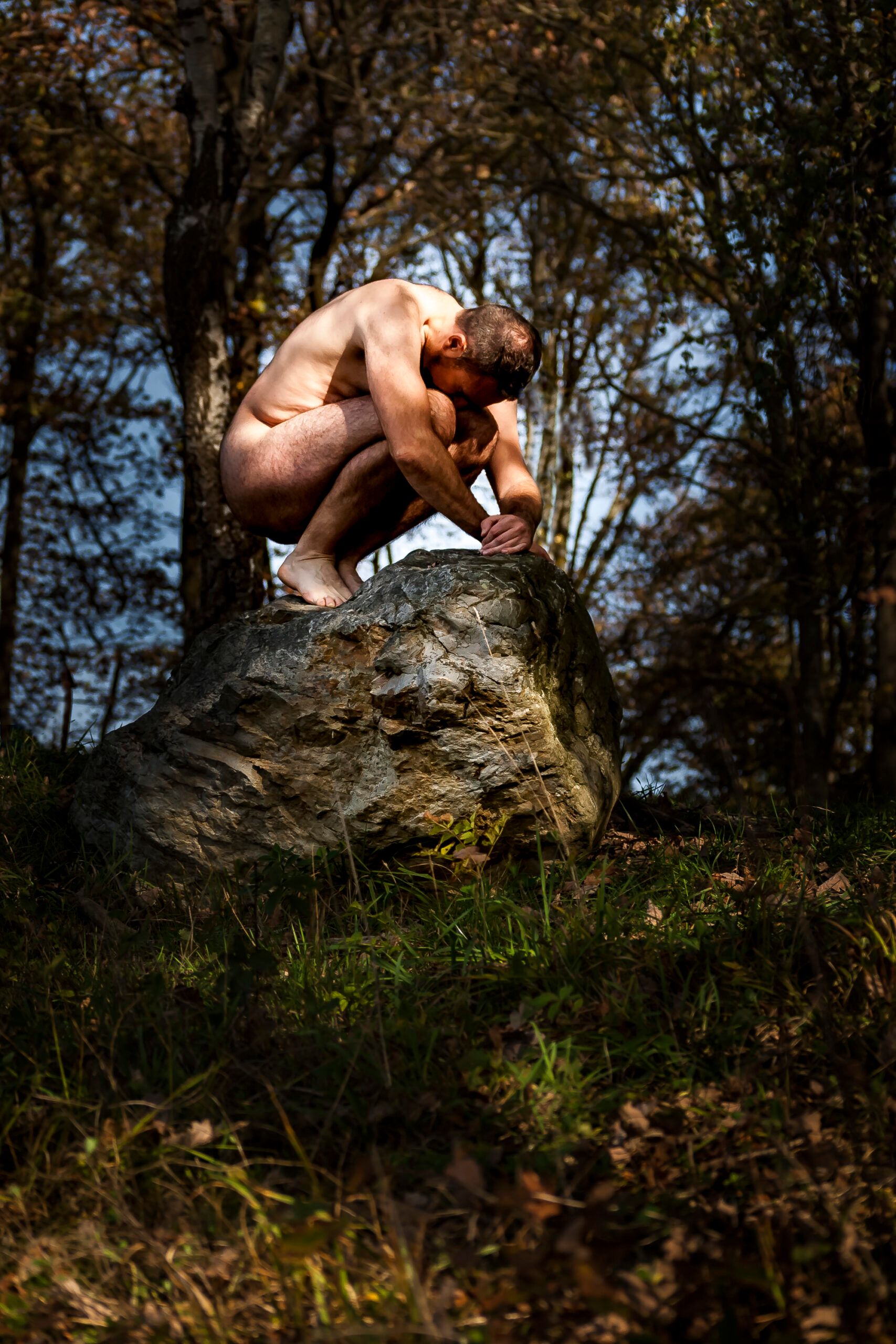
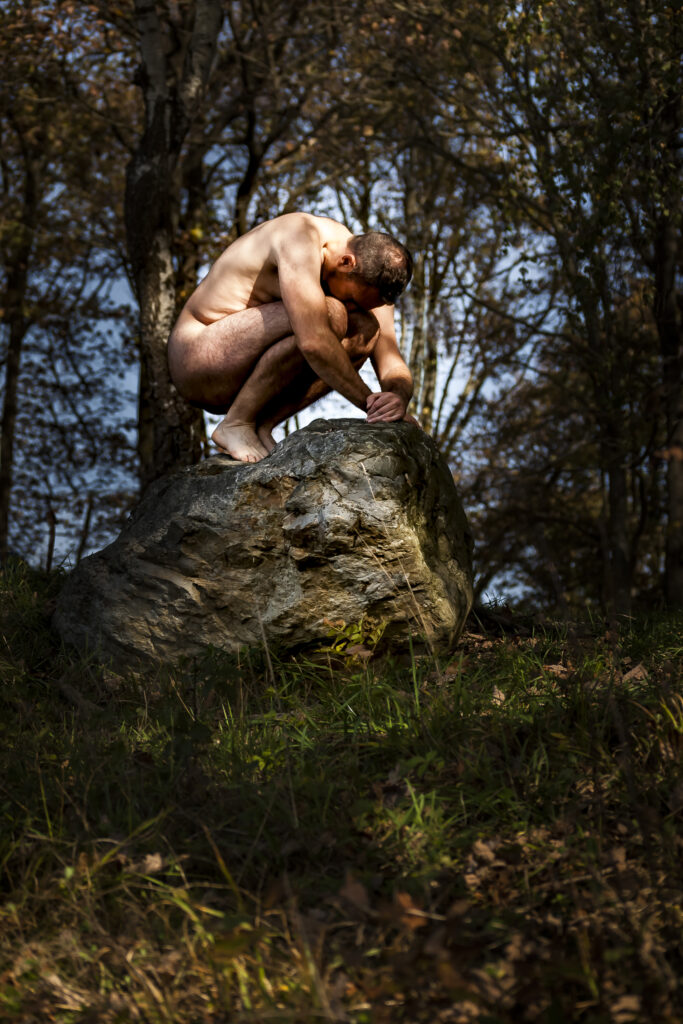
During an outdoor photoshoot in the forest, some Dutch hikers walked by while I was photographing my model, who was stark naked. My model put his pants on and the hikers smiled at us.
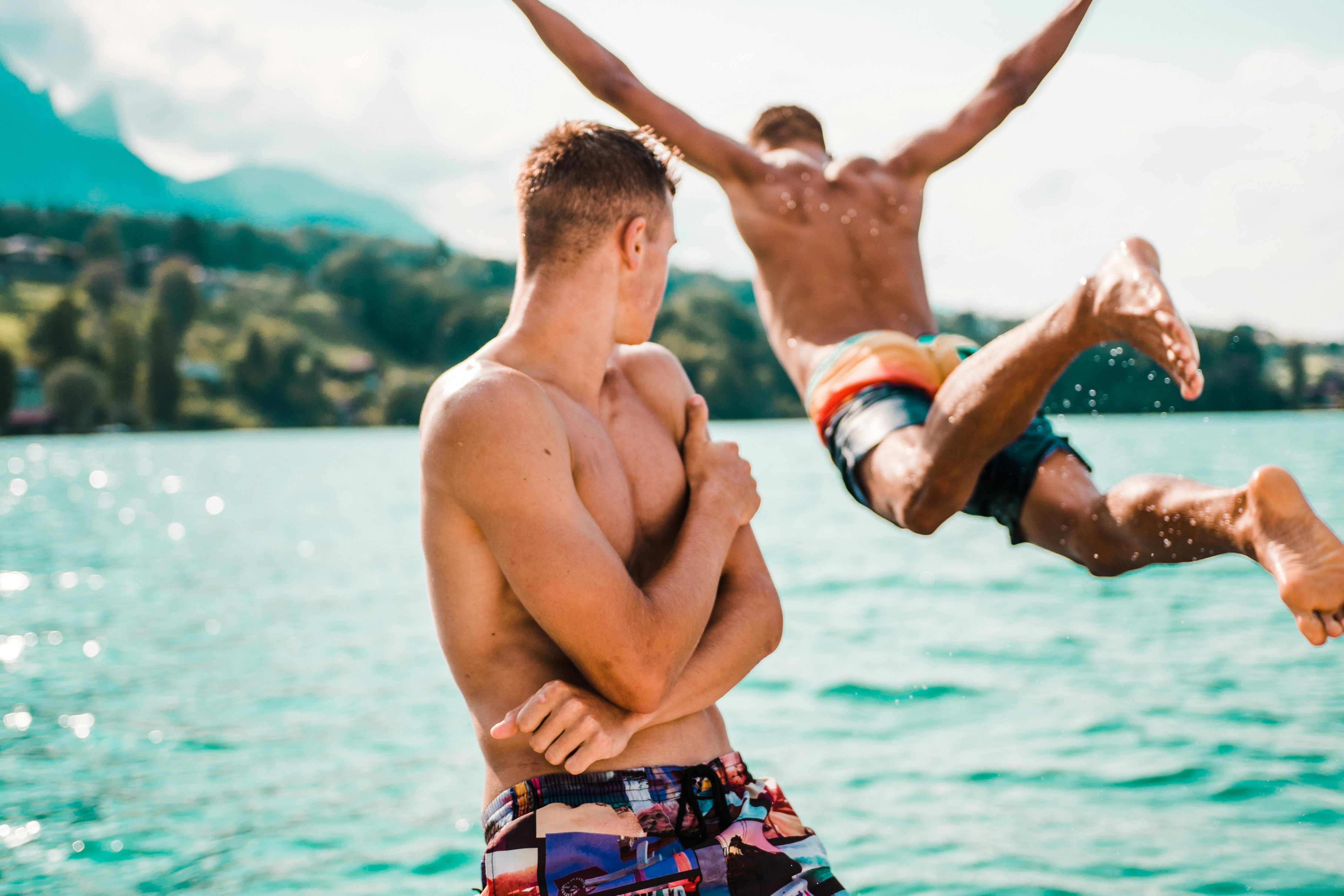
There was also a shoot that took place in March on a naturist beach on the Belgian coast. My model was naked while the tourists were bundled up in their jackets, because it was windy and not very warm.
Credit: Patrick Potie
You live in Viroinval, Belgium, which is in Wallonia, the French-speaking part of the country. It’s very close to France, a couple of hours’ drive from Brussels. What’s that like?
I love my region for its natural beauty, its culture, its people, its cuisine and its beer. When friends come to visit, I show them the landscape, our nature reserves like Le Parc naturel Viroin-Hermeton and La Réserve naturelle de Dourbes. Fondry des Chiens is a rocky chasm, a sinkhole, that’s been called Belgium’s Grand Canyon.
I don’t live very far from Chimay, where there’sLa grande traversée de la Forêt du Pays de Chimay, a 235-kilometre trail that’s considered one of the most beautiful hikes in Belgium. Le Domaine des Lacs de l’Eau d’Heure, a 25-minute drive away, has five artificial lakes and is a resort destination that offers activities like watersports and hiking.
Gay-friendly tourism is not usually part of my travel goals. My husband and I travel to discover the region, the city and to take lots of photos. My favourite regions in France are Normandy, specifically the Cotentin Peninsula; Brittany, especially its coast from Saint-Malo to Guérande; and the Vosges Mountains in Alsace for forests, waterfalls and hiking trails.
Aside from your camera, what item do you always take with you when you travel, and why?
My tablet, because it contains all my travel maps, my itinerary, my sightseeing schedule, all the tourist information I need for my photoshoots and visits, sunrise and sunset times, and tide times.
This interview was conducted in French and translated into English. It has been edited for length and clarity.