It was 2003, and I was on my first adult trip to my ancestral homeland. As a second generation Maltese Canadian, the tiny Mediterranean island between Sicily and Libya held a significance far greater than its size might suggest. So much family lore and mythology came from the place: beautiful beaches, ancient temples, cities built by knights and catholicism. Lots and lots of catholicism. The Malta I was told about was pious, churchgoing, traditional and what I would later know as socially conservative.
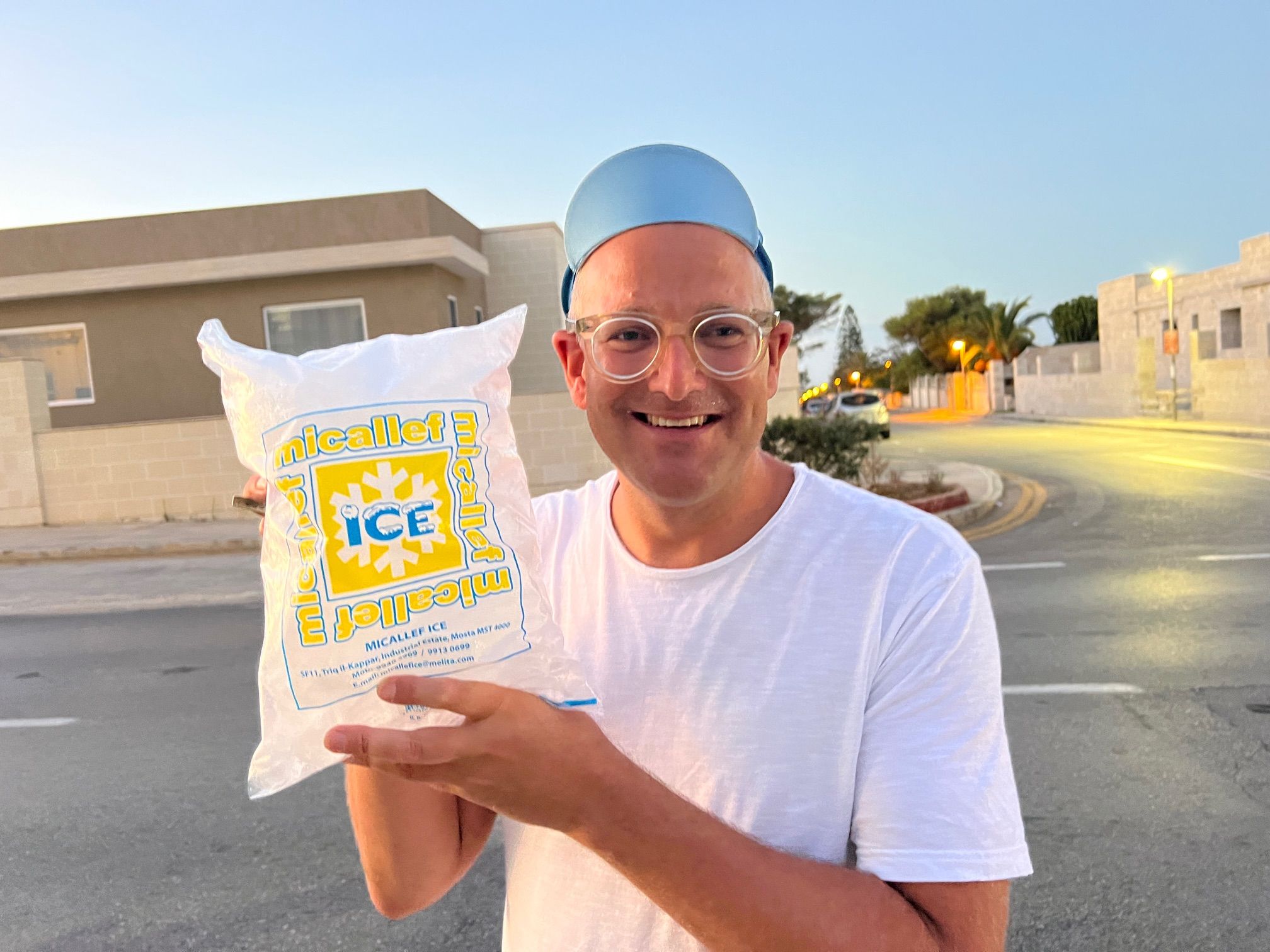
Writer Shawn Micallef always looks for his last name when he's visiting Malta. Credit: Shawn Micallef
When I visited in the early 1990s as a teenager on a couple of family trips, I didn’t notice anything queer, but I wasn’t really looking for it then. The smaller and tighter European-style men’s swimwear and topless women on the beaches was certainly a sign that Malta was not as old-fashioned as I had been led to believe. Of course, there was always queer life in Malta, decades of it, and venues both public and private that were refuges for the community. Malta’s role as an important British naval base and port meant sailors were always around too, doing the things sailors did. There were red light districts nearby, where the queer community often found a crevice on the fringe, but it wasn’t so visible to untrained or incurious eyes.
Advertisement
By 2003, as an adult travelling on my own, I would regularly seek out the queer precincts and gay bars of the places I visited. It was just another part of exploring a city, but a special one that makes queer travel a particular kind of quest. Doing that in Malta felt different though, like I wasn’t supposed to find what I was looking for. In 2003 Malta’s most established gay bar at the time was a classic in name and location. Called Tom Bar, it was located just outside of Valletta, the compact, walled, late-Renaissance capital. It was decidedly off to the side, as many old-school gay haunts were. Opened in 1994, it was referred to as Malta’s oldest gay bar and was nearly an institution by the time it closed, in the mid 2010s.
All of Malta is compact, so while it wasn’t deep in the wilderness, to get there from the city gate meant walking across a bus terminal, busy roads and down a series of stairs through dimly lit gardens. All of that territory—the toilets by the buses, the spaces in between gardens—have historically been cruising areas in Malta, though I didn’t know that at the time. The final flight of those stairs led directly to Tom Bar, framed perfectly across a road called It-Telgha tal-Kurcifiss, or “Crucifix Hill,” that led farther down, to the harbour. All of it seemed a little on the nose: the sights and sounds of seafaring activity a few hundred metres away, and the long walk in the shadows to this place on the edge of town.
In my memory, a few men were hanging out on the small front patio as I walked in the open doors and sat at the small bar. A few other patrons were there, but it wasn’t bustling. I recall asking the bartender if they took British money as I had been in London just before. “Of course, we take pound sterling,” which I took as a confident nod to Malta’s complicated but still connected colonial heritage. In a precursor to things to come in the smart-phone future, as I drank a Cisk, Malta’s most common beer, I pretended to text on a classic Nokia dumb phone I had borrowed to hide my nervousness.
Advertisement
Everyone was nice, though nothing much happened. But my idea of Malta was forever changed because Malta itself had changed.
Like many people in a diaspora, the homeland stopped evolving the day they left, and my family’s Malta was frozen in 1964, the year they emigrated to Canada and when the island gained its independence from the U.K. It wasn’t just that Tom Bar existed, but the whole island was in the throes of moving away from a colonial and post-colonial existence (and an anti-Western tilt for a few decades) to something more European. Membership in the European Union was a year away, in 2004. That move would bring about some of the biggest changes to Malta since independence, shifting its gaze and interest toward the rest of Europe. Malta became a place people moved to after decades of postwar immigration and the old social conservatism began to loosen up even more.
I’ve been returning to Malta each year since to see family and visit an island I now consider a home. I’m amused to see my last name, not so common outside of Malta, on gas stations, jewellery stores and other businesses. Over that time I’ve watched the evolution and growth of the local queer scene. Malta held its first Pride celebration in 2004; prominent rainbow crosswalks have been painted and more queer-friendly places have since opened. Gay bars come and go. Tom Bar eventually closed, but the scene was more visible and vibrant than ever. Gay events are thrown around the island, at a variety of venues, and some bars have become places that sometimes seem more queer than straight, or the other way around, reaching an ideal state where it doesn’t matter at all: come as you please, come as you are. This is the Malta that keeps appearing on those lists and social media reels as a great queer destination.
Advertisement
There’s much to brag about, too. In the last decade or so Malta has legalized same-gender marriage, allowed adoption rights for same-gender couples, banned conversion therapy, embraced gender recognition without surgical intervention and other legislative measures like anti-discrimination laws integrated into education, health care and public policy. All of that, along with the vibrant queer scene, has vaulted Malta to number one on the ILGA-Europe (European Region of the International Lesbian, Gay, Bisexual, Trans & Intersex Association) “Rainbow Index” for 10 consecutive years.
That’s perhaps even more of a personal revelation than going to Tom’s that first time: I would never have dreamed Malta would become this kind of place. The unique, almost tribal nature of the Maltese political dynamic between the centre-left Labour and the centre-right Nationalist parties, with Labour leading these progressive changes, has something to do with why Malta has taken this lead. If not virtue signalling, then a form of populism that has energized a base and garnered international attention. There were also years of work, protest and advocacy by Malta’s own LGBTQ+ population to get here, with groups like MGRM (formerly the Malta Gay Rights Movement) and the Aditus Foundation. Still, the laws are on the books now, and the experience of being in Malta as a queer person is truly a pleasant one today.
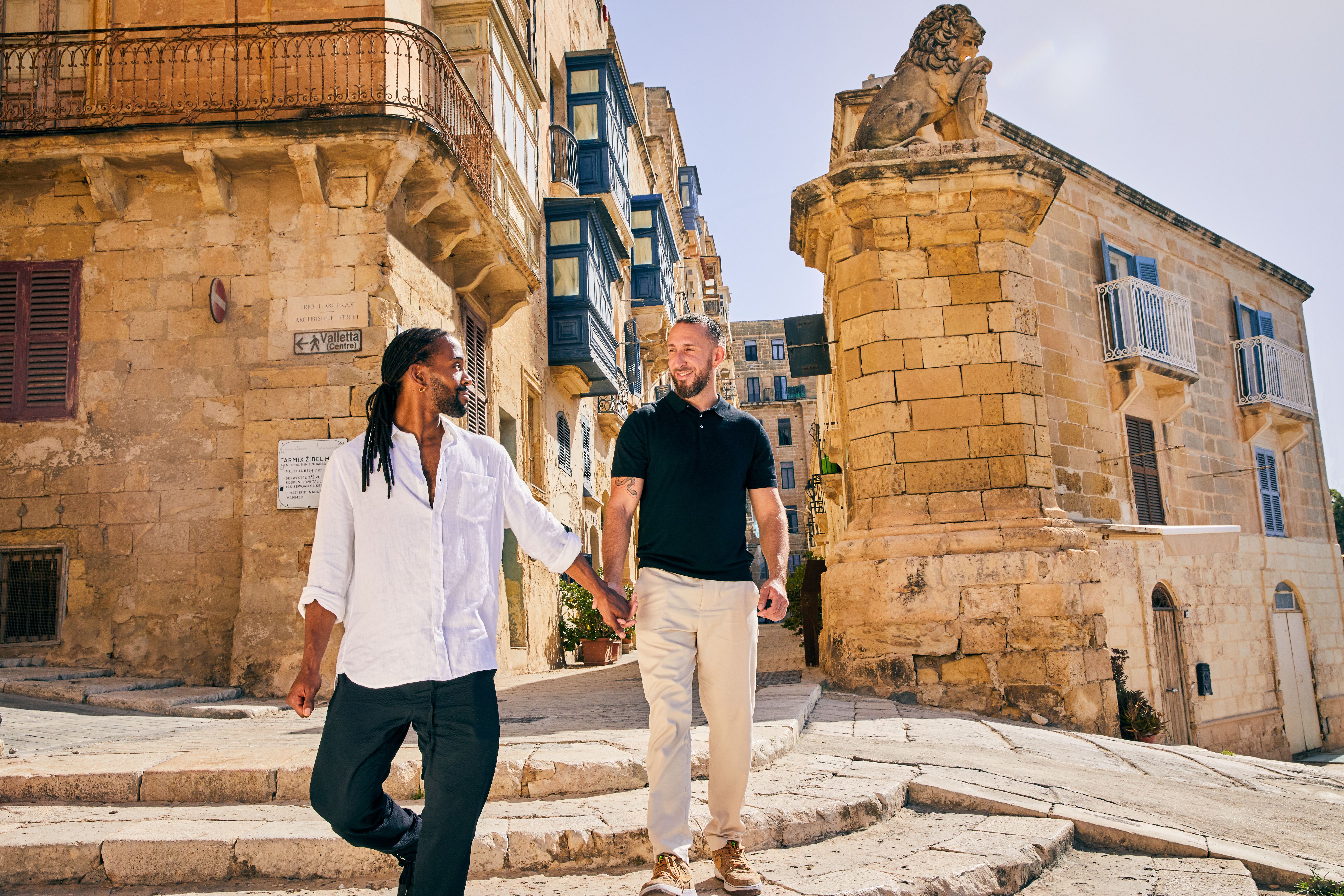
These days Malta is actively wooing LGBTQ+ visitors. Credit: Malta Tourism Authority
Ironically, toplessness is not as much of a thing now, and men’s bathing suits, save for the gays leading the charge in sartorial minimalism, have become more conservative. But that’s independent of what Malta has become for queer residents and travellers.
Advertisement
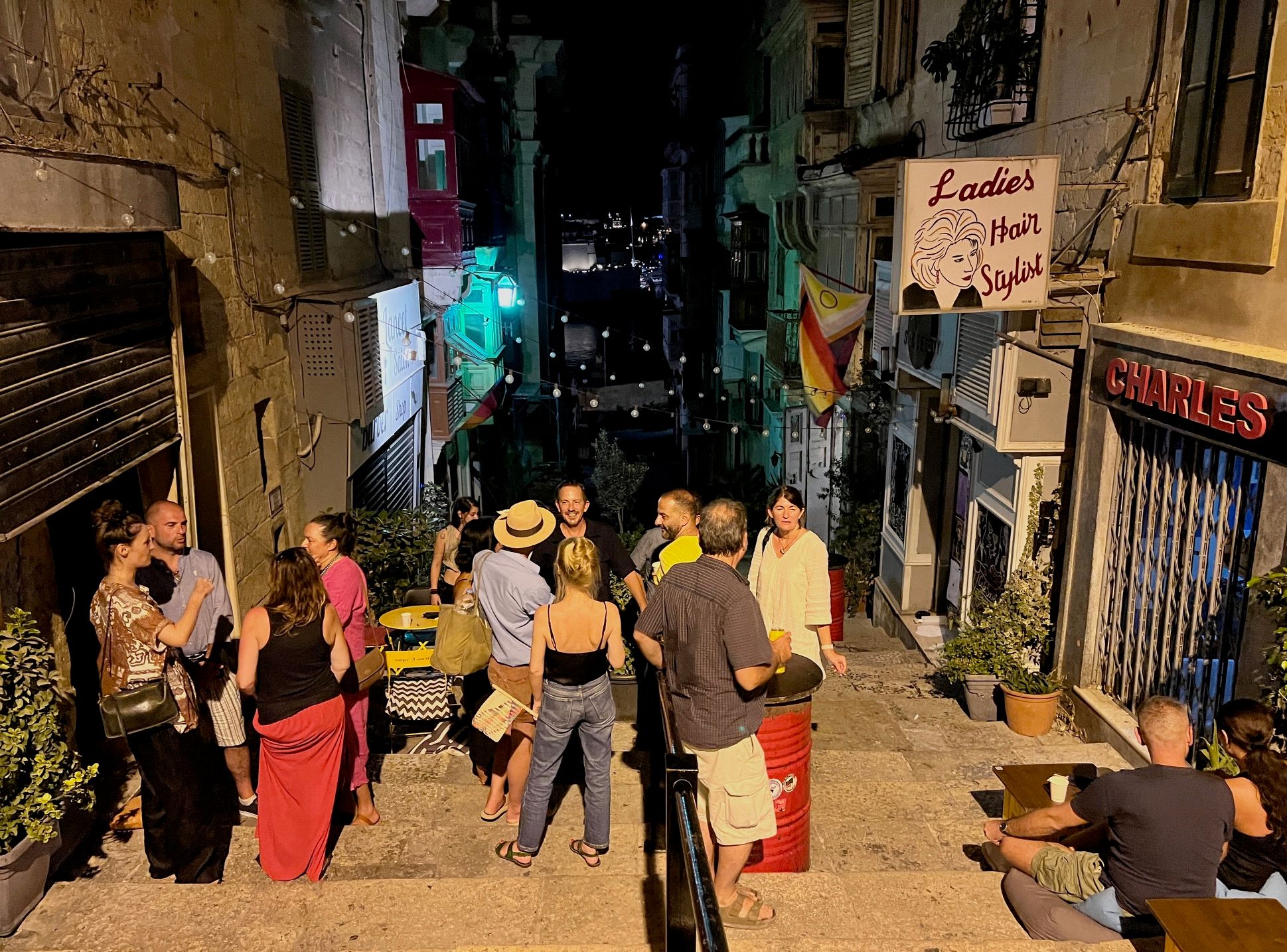
A few new LGBTQ+ bars have opened up recently but there is no gaybourhood, there is no gay beach (though there are a few coves and out of the way rock ledges that have long been queer). Queer venues are no longer located at the edge of town or in red light districts (though there are sometimes queer parties thrown in the countryside). The whole island simply feels welcoming. Of course, everyone has their own personal level of comfort, but knowing the Malta that was and seeing and experiencing what it has become, the evolution has been remarkable. Restaurants, museums, cafés, beaches: all the great things about Malta are open to all, and its reputation as a safe and welcoming queer destination is deserved.
Will Eurovision in Vienna this May be the queerest ever?
For the second time in Eurovision’s history, a queer performer is bringing the competition to Austria’s capital. But ESC 2026 is not without controversy